miércoles, 18 de diciembre de 2013

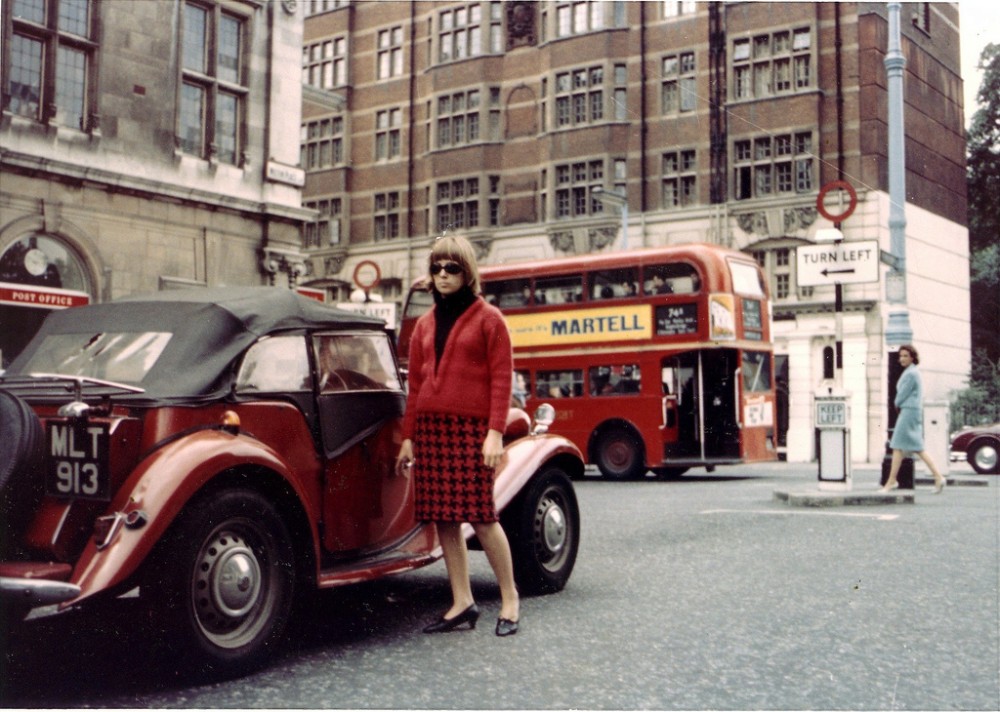
SWINGING LONDON -2-


DAVID BOWIE
LOVE YOU TILL TUESDAY
THEMcQFILES: SWINGING LONDON -1-


Just look through your window, look who sits outside
Little me is waiting, standing through the night
When you'll walk through your door I'll wave my flag and shout
Oh, beautiful baby
My burning desire started on Sunday
Give me your heart and I'll love you till Tuesday
Da da da dum

Who's that hiding in the apple tree, clinging to a branch
Don't be afraid it's only me, hoping for a little romance
If you lie beneath my shade, I'll keep you nice and cool
Oh, beatiful baby
I was very lonely till I met you on Sunday
My passion's never-ending and I'll love you till Tuesday
Da da da dum
Let the wind blow through your hair, be nice to the big blue sea

Don't be afraid of the man in the moon,
because it's only me
I shall always watch you until my love runs dry
Oh, beautiful baby
My heart's a flame, I'll love you till Tuesday
My head's in a whirl and I'll love you till Tuesday
Love, love, love, love you till Tuesday
Da da da dum
Well, I might stretch it till Wednesday


lunes, 16 de diciembre de 2013

HELLRAISERS


The boisterous drinking habits of the four actors are chronicled in the book “Hellraisers,” by Robert Sellers.

Robert Sellers
 Robert Sellers’s “Hellraisers” is completely unapologetic about its party-hearty premise. He has slapped together a string of outlandish stories about four of the British Isles’ most stylish drunken actors, and he doesn’t even pretend to have turned those stories into a coherent book. “Hellraisers” wants only to be a rowdy collection of greatest hits, and it lives up to that fun-loving ambition. It reels off riotous tales about Richard Burton, Richard Harris, Peter O’Toole and Oliver Reed without giving a moment’s thought to what those tales might mean.

“Enjoy it; they bloody well did,” Mr. Sellers tells his readers at the book’s start. And then off he goes, digging up the wild, headline-making antics of his book’s four principals. Since each of them behaved like a tabloid reporter’s dream and did his best carousing in public, Mr. Sellers has plenty of fine one-liners to replay and bouts of mad excess to describe. How accurate are these stories? That can’t be a serious question. On the occasion when Mr. Reed is said to have drunk 126 pints of beer in 24 hours, it’s highly unlikely that anyone really bothered to keep the numbers straight.

Richard Burton.
And for this book the truth doesn’t really matter. Even for actors, its four subjects were uncommonly theatrical and loved telling merrily exaggerated stories about themselves. “I did quite enjoy the days when one went for a beer at one’s local in Paris and wake up in Corsica,” Mr. O’Toole once quipped, though he doesn’t seem to have said this or anything else to Mr. Sellers. Ditto for the other three hellraisers, who were not available for comment, having all fallen into sad states of decline and developed the true physiognomies of Dorian Gray before they died of alcohol-induced or alcohol-accelerated problems.


“I felt like singing and began to woo an insurance building,” Mr. O’Toole said on another occasion, with his usual aplomb. (Mr. O’Toole is also a memoirist who has written eloquently about his adventures.) “Stripped, I am monstrous,” Mr. Burton said about his reputation as a ladies’ man. Mr. Harris joked of having formed a support group called Alcoholics Unanimous that worked this way: “If you don’t feel like a drink, you ring another member and he comes over to persuade you.” Mr. Reed, by far the most hellish of the four, had an eagle’s head tattooed on his shoulder. He also had the eagle’s claws tattooed on the part of his body that he most enjoyed exposing without warning. “Would you like to see where it’s perched?” he liked to ask about the bird.

Richard Harris
 Anyone horrified by the reckless abandon of “Hellraisers” should know what its ultimate effect turns out to be. This fun-loving celebration of drunkenness proves to be an even more sobering cautionary tale than some of the most serious addiction and recovery memoirs. And the fact that none could entirely stop drinking, even when it became a life-or-death medical necessity, makes it that much sadder. Funny as it is, the book’s boisterous beginning gives way to grimly premature states of illness and dotage, with Mr. Harris as the member of the foursome most aware of his behavior’s high price. “I didn’t even have the joy of remembering my own exploits,” he said, after realizing that alcohol had wiped out much of his memory.

Of course each of these actors carefully cultivated an air of forgetfulness, even in his prime. Upon being told that his first wife had temporarily left him and taken their child, Mr. Harris later remarked: “Did she? I wasn’t fully aware.” Like Mr. Sellers’s other subjects, he perfected a cavalier panache that allowed him to glide through life delivering boozy bon mots, thus eclipsing certain unpleasant realities. (Harris could turn violent, and both of his wives apparently lived in fear of him.) The selective use of memory seemed to go with these actors’ territory, as when Mr. O’Toole once advised Michael Caine to avoid dwelling on bad behavior. “Never ask what you did,” Mr. O’Toole supposedly told his fellow actor. “It’s better not to know.”

Peter O'Toole.
 Unfortunately being oblivious became a professional as well as personal necessity for these legendary troublemakers. Each of them wound up taking execrable acting jobs just to stay afloat, especially after a new wave of filmmakers in the 1970s made their Shakespearean mannerisms look badly out of date. Of the four it was Mr. Reed who took the worst B-movie roles, wrecked the most furniture, kept the most dangerous company (during one scarily memorable phase he joined forces with the Who’s wild-man drummer, Keith Moon) and could most naturally play a werewolf without makeup.

But when it came to bleak makeup jokes, nothing here beats a story about Mr. Burton during the filming of “The Klansman,” one of his worst. “If you want to interview a drunk or see a drunk fall in the camellia bushes, come ahead,” that film’s publicist supposedly told the press. And when the film’s makeup artist was complimented on how well he had prepared Mr. Burton for his death scene, the makeup man replied: “I haven’t touched him.”

Oliver Reed.

“Hellraisers” can be read as heedlessly as it was reported and lived. But it winds up being far less lighthearted than it looks at first glance. As the evidence of carousing accumulates, so does the ponderousness. The stories become repetitive. The principals grow too old to live life on one long bender. And on those occasions when they do sober up, a couple of them complain that drunks are annoying bores. Their wives, Mr. Sellers says, could not have agreed more.


HELLRAISERS
The Life and Inebriated Times of Richard Burton, Richard Harris, Peter O’Toole and Oliver Reed
By Robert Sellers
Illustrated. 286 pages.
Thomas Dunne Books.

domingo, 15 de diciembre de 2013

ALEXANDRA.

Alexandra, Rambla de Catalunya, 90.
Malament anem quan els cinemes històrics de Barcelona tanquen, després de l'Urgell ara és el torn del Alexandra, el vell cinema que des de 1949 i en ple cor de la Rambla de Catalunya és un referent en la cartellera barcelonina, però els hàbits de consum de cinema hi han canviat o això sembla amb aquestes notícies que ens van culpin als qui ens agrada més les sales d'abans que les d'ara, situades als centres comercials, sales impersonals, fredes, amb exces de merchandasing i una ferum a crispeta que acaba per marejar te.

Cinema Victoria; Passeig de Fabra i Puig a Sant Andreu, enderrocat a principis dels 90
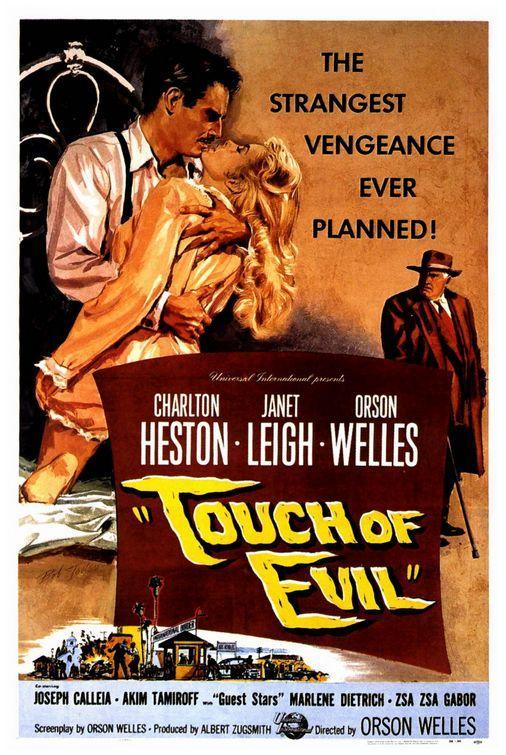
Primer va caure el cinema de barri amb la irrupció dels vídeo clubs, després les grans sales per rentabilitzar el negoci van anar remodelant les sales fent les cada cop més petites i eliminen les grans sales amb grans pantalles on veure el cinema com a un gegantí espectacle visual; l'Alexandra era una d'aquelles sales que va reconvertir el seu espai en un multi sales on jo destacaria l'Alexis, el germà petit dedicat més a cinema d'autor i a alguna restauració i reestrena com el cas de Touch Of Evil d'Orson Welles que vaig poder veure a principis dels 90.


No va ser una de les sales que més he visitat de Barcelona, però anar a l'Alexandra era com un petit viatge en el temps, el seu hall i l'entrada amb les escales que conduïen a la sala, emmoquetada i amb aquella llum càlida i groguenca que et rebia just abans de començar la catarsi que esdevé el asseure a la butaca i veure una pel·licula; malauradament el progrés de vegades és cruel, cert és que no podem ser nostàlgics ni anar en contra d'ell, la moda marca el camí i les sales son negocis que han de rentabilitzar i el vell cinema Alexandra tot i l'esforç de Ramon Colom, en remodelar-lo al 2006, es veu obligat a tancar les portes i posar fi a 64 anys a la vida dels barcelonins.

Si no recordo malament, l'ultima pel·licula que vaig veure va ser El Origen del PLaneta de los Simios allà pel 2011, mala elecció per una sala que romandrà en el record d'una Barcelona que va canviant, una Barcelona cada cop més "marca" i menys real i autentica.


El cinema tancarà amb un gest ple de romanticisme, projectarà Niñera Moderna, un film del 1949 amb Maureen O'Hara i Robert young, que va ser la 1ª pel·licula que va tenir en cartell; el 19 de desembre abaixarà la persiana per no tornar a pujar.


sábado, 14 de diciembre de 2013

GÖTTERDÄMERUNG.


El capvespre dels déus, de Richard Wagner; ultima obra de les quatre que conformen Der Ring Des Nibelungen.
En aquest vídeo l'emocionant i espectacular : Seguici fúnebre de Sigfrid  dirigid per Klaus Tennstedt.

viernes, 13 de diciembre de 2013

ELEANOR PARKER.


 El pasado 9 de diciembre murió Eleanor Parker, para mi una de las pelirrojas del cine, de belleza espectacular, elegancia y señorío como pocas actrices han tenido en pantalla, con temple y estampa que transmitió a través de sus interpretaciones, algunas de ellas en películas magistrales.


Sin ninguna duda yo la conocí antes de saber quien era, me fascino y aterrorizo más lo que sucedía en la película que el hecho de fijarme en su deslumbrante belleza, claro que por aquel entonces yo debería tener unos 5 o 6 años cuando vi por primera vez CUANDO RUGE LA MARABUNTA, una película que hay que verla en varias etapas de la vida y a cada visionado obtendremos una lectura diferente, como me paso a mi, donde solo me fascinaban las hormigas y como arrasaban con todo lo que se ponía por delante en ese primer visionado.


Otra película donde la figura de Eleanor Parker es presente, podría decirse que es uno de esos fatídicos y pequeños traumas que uno va teniendo en su niñez, SONRISAS Y LAGRIMAS, la culpa es de una madre fan de Julie Andrews que no tuvo compasión con sus hijos al hacernos aborrecer a la familia Trapp y por ende a la nanny Mary Poppins, pero esto es otra historia.
Parker era la prometida del Capitán Von Trapp y su papel digamos que era bastante antipático, pero a pesar de una ya visible madurez, Eleanor Parker seguía siendo tan bella y guapa como lo era años atrás paseándose por la selva del amazonas.

Ya alguno tiempo después cuando se iniciaba en mi la afición por el cine de forma mucho más pasional caí rendido a los pies de la digna y estoica Hannah Hunnicutt, esposa del terrateniente Capitán Wade Hunnicut y sufrida madre de un joven George Hamilton; Parker llenaba las escenas de una latente tensión y visible infelicidad pero siempre aparecía impecable y guapísima.


Quizás no llego a tener el áurea de estrella que tuvieron coetáneas suyas, su época gloriosa duro poco pero sin acabar de ser una gran actriz, Parker transmitía muy bien lo que su papel requería, sus silencios en escena son de los mas estruendosos que uno pueda percibir, incluso en sus frases algunas formidables sentencias o declaraciones de principios sobre su dignidad pueden estar dentro de las mejores frases del cine.


THE NAKED JUNGLE

CHRISTOPHER LEININGEN:
-La única condición que puse cuando construí esta casa es que todo fuese nuevo. Este piano nunca había sido tocado por nadie.

JOANNA LEININGEN
-Si supiese algo de música se daría cuenta de que un piano suena mejor cuando se ha tocado.  


Eleanor Parker también trabajo en Brigada 21 formando pareja con Kirk Douglas y en El hombre del brazo de oro junto a Frank Sinatra en el film de Otto Preminger, además de ser la picara acompañante de Stewart Granger en Scaramouche, el clásico de aventuras basado en la novela de Rafael Sabatini.

Su compañero de reparto Christopher Plummer dijo en un comunicado que Parker "es una de las mujeres más bellas" que ha conocido en su vida, "como persona y como belleza. "No puedo creer la noticia. Estaba convencido de que estaba hechizada y que viviría para siempre"

¿Y acaso no vivirá para siempre en la selva del amazonas o en la hacienda Hunnicut?

miércoles, 11 de diciembre de 2013

SERVICIO COMPLETO.

 "Un libro lleno de chismografía sexual de high class del Hollywood opulento"
Román Gubern

Esta frase resume muy bien lo que en definitiva es el libro de Scotty Bowers y Lionel Friedberg "SERVICIO COMPLETO. LA SECRETA VIDA SEXUAL DE LAS ESTRELLAS DE HOLLYWOOD" que publica Anagrama.

Scotty Bowers relata en sus memorias sexuales, sin buscar el escándalo ni la expiación, una vida llena de sexo, ofreciendo sus servicios y facilitando hombres y mujeres a estrellas de Hollywood con gustos variados.

Con ayuda del periodista Lionel Friedberg relatan deforma amena y divertida esos años llenos de sexo rápido, fácil y prohibido.


Una prostitucion no por tener a personajes celebres menos sórdida y oscura, muy bien definida con una frase estremecedora :
"te pueden pagar mil dólares por un beso pero cincuenta por tu alma".

Bowers, marine durante la segunda guerra mundial relata brevemente su paso por la guerra, haciendo más hincapié en sus aventuras sexuales que en las batallas donde intervino, al acabar la contienda trabajo en una gasolinera a las afueras de Hollywood donde empezara su carrera como "chapero" y alcahuete de estrellas y personajes de la alta sociedad.


El libro se lee como una recolección de anécdotas en la que las estrellas se convierten en seres humanos, personas de carne y hueso, con sus debilidades, vicios y fantasías, perdiendo todo ese halo de glamour que tenían; algunos no son sorpresa como Rock Hudson, Monty Clift o Cary Grant pero uno se sorprende un poco al ver nombres como Walter Pigdeon, George Cukor, Tyrone Power y Vivien Leigh.


Esa Sodoma y Gomorra que era el cuarto oscuro de la meca del cine tan bien retratada en Hollywood Babilonia de Kenneth Anger tiene una continuación con esta novedad editorial donde se plasma no solo esta vida de excesos si no también el hecho de vivir en una época totalmente represora, esa moral hipócrita que dictaba la sociedad y sobre todo el control que ejercían los grandes estudios sobre la vida privada y publica de sus estrellas, al fin y al cabo el producto que les reportaba los enormes beneficios en su cuenta.
Estos no podían permitir que actores de la talla de los arriba mencionados fueran descubiertos o se supiera la naturaleza de su sexualidad porque hubiera sido la ruina para el actor y el estudio, se rompería la magia que tan duramente creo la industria del cine.


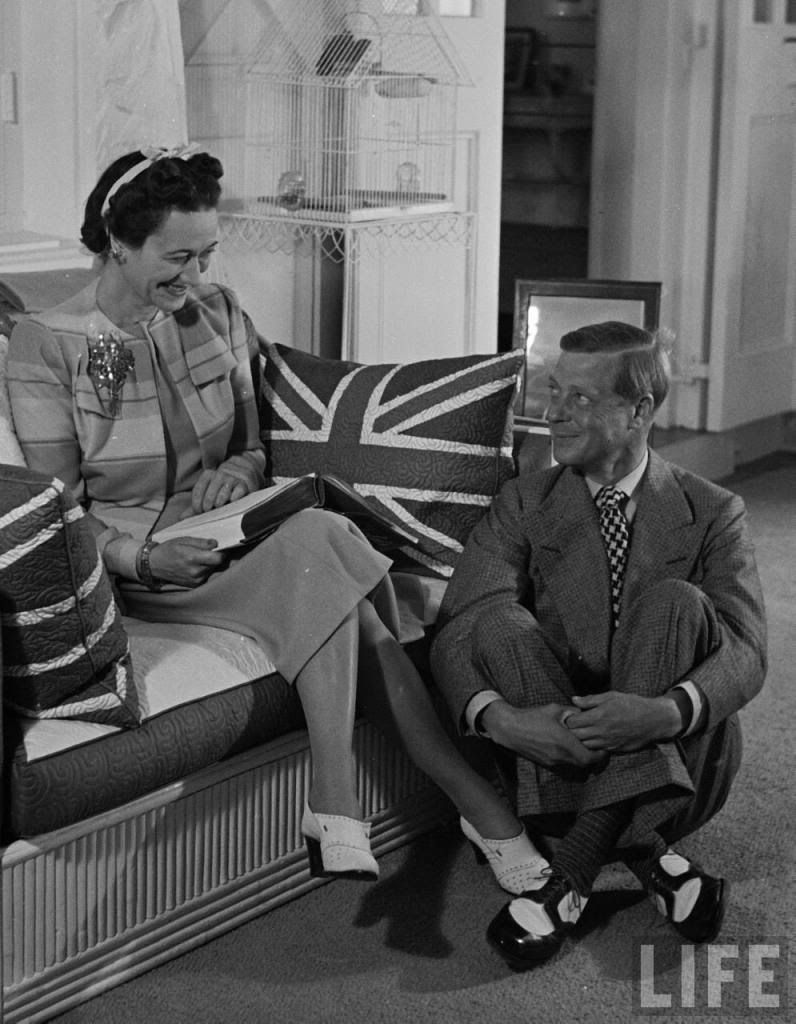
 Casos curiosos son los de Katherine Hepburn, lesbiana escondida, que pedía chicas morenas para sus juegos sexuales, detrás del foco mediático que suscitaba su ya de por si imposible relación con Spencer Tracy que ocultaba la frustración por no poder divorciarse en litros de alcohol y alguna que otra escaramuza sexual junto a su partenaire fílmica; también se encuentran entre los clientes de Bowers gente de la alta sociedad como los Duques de Windsor o el flemático y depresivo Charles Laughton, casado con Elsa Lanchester que sabia de su homosexualidad después de contraer matrimonio.


En definitiva un libro ameno que se lee de un tirón y engancha por ese morbo que suscita el acto del hedonismo y del descubrir a modo de voyeur lector, la trastienda de la fabrica de sueños que es Hollywood.